Article
What should your business automate first?
Choose a useful first automation project by reviewing repetition, rules, data and exceptions. Use the free worksheet to compare tasks and plan a small pilot.
AIO editorial assessment of relevance; programme eligibility and commercial opportunities require separate confirmation.
AIO Consultancy & Technology ·
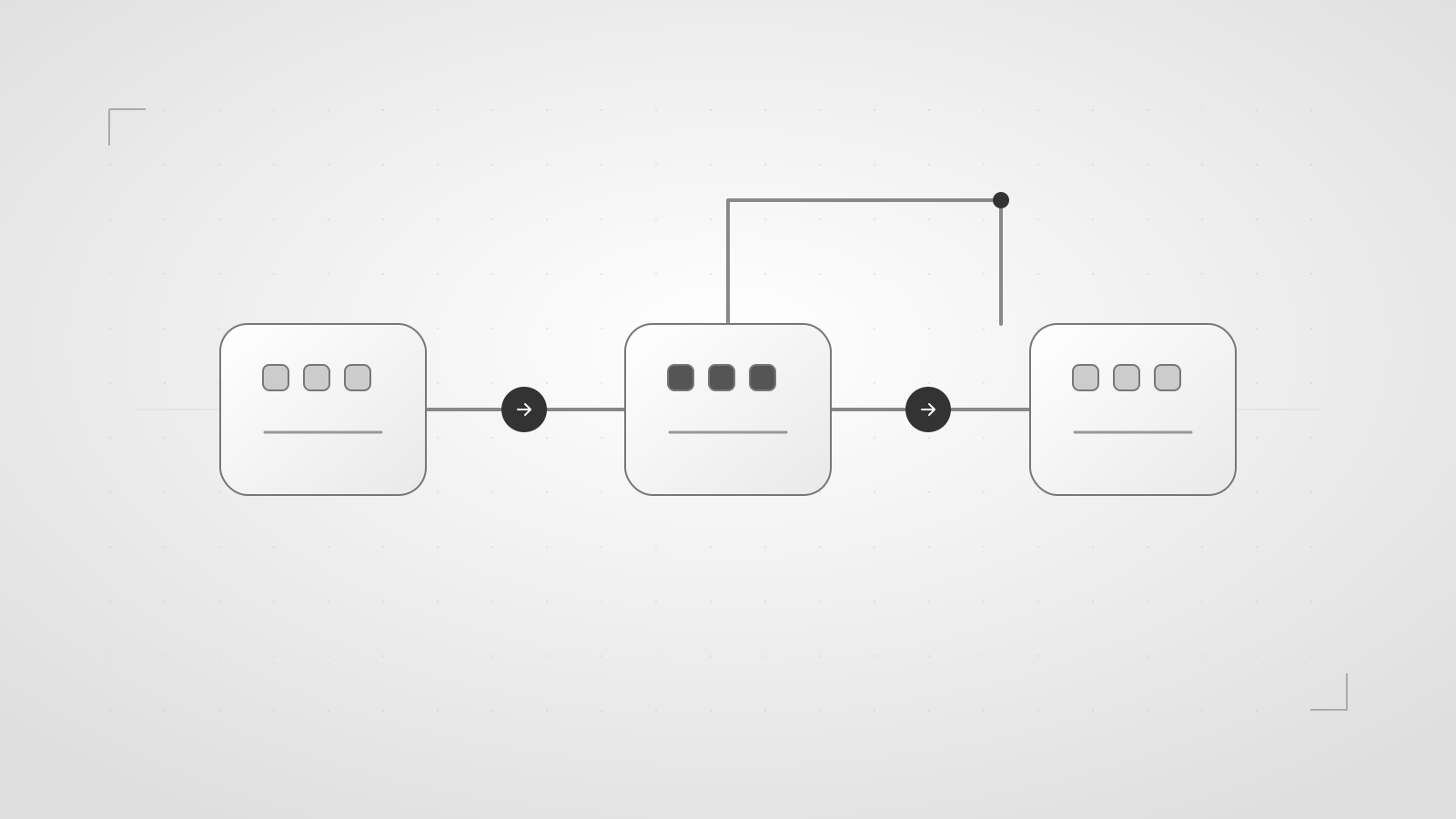
A good first automation project starts with a recurring problem that your team can explain. The aim is to improve a useful piece of work and check the result, rather than automate as much as possible.
Start with the task, before the tool
Look for work that happens often and follows reasonably consistent steps: capturing enquiries, preparing a recurring report, routing a request or sending an internal reminder. Ask the people doing the work where they copy information, wait for a handover or correct the same mistake.
Some tasks need better instructions or fewer approvals before they need software. AI is optional. Clear rules and a straightforward connection between existing tools may be enough.
Define one process you can describe
Give the task a clear starting point and finish. For example, “capture an incoming enquiry, check required fields and assign an owner” is easier to scope than “automate sales”. Name the person responsible for the process and identify the systems involved.
Write down the normal route and the variations. A process that depends on an undocumented decision is not ready to run unattended. Clarify that decision with the people responsible first.
Record a baseline you can check
For each candidate task, record how often it occurs, the hands-on minutes per occurrence and the errors or delays you want to address. A useful starting estimate is occurrences per week multiplied by minutes per occurrence.
That calculation describes current handling effort. It is not a promise of time saved: checking outputs, handling exceptions, maintenance and adoption still take effort. Separate active handling time from the time a request spends waiting for an approval.
Use representative records or a short observation period. Label estimates and assumptions so that your team can revisit them after the pilot.
Check the rules and the inputs
A promising candidate has an agreed trigger, understandable rules and information that can be accessed appropriately. Check whether the required fields are complete, whether the tools permit the connection and who can authorise access.
Keep the first scope narrow. Avoid collecting extra customer information simply because an integration makes it possible. If AI will interpret text or draft content, identify what a person must review before the result is used.
Plan for exceptions and human decisions
Ask what should happen when information is missing, a request is duplicated, a connection fails or an output looks wrong. Identify who receives the alert and how they return the work to a safe state.
Quotes, payments, access changes and other consequential actions may need explicit approval. Start with assistance such as preparing a draft or flagging an exception, while the responsible person keeps the final decision. Do not remove a review step until the risks and controls have been assessed.
Choose a small pilot with a clear review point
Compare candidates using repetition, clear rules, available data and manageable exceptions. Treat these as discussion prompts, rather than an automatic score that selects the project for you.
Choose one process, one owner and one measurable outcome. Agree the pilot scope, required access, approval steps and a review date. Test ordinary cases and failures before relying on the workflow. Keep a manual fallback and a way to pause the automation.
A completed example: enquiry handover
Consider a fictional services business receiving 20 enquiries each week. Staff estimate eight hands-on minutes per enquiry to copy details, check missing fields and find an owner. Its current handling baseline is 20 × 8 = 160 minutes per week. These numbers are illustrative, not a customer result or a savings forecast.
The proposed pilot captures enquiries in one record, flags missing information and assigns a named owner. It prepares a follow-up task; staff still review quotations and approve any message before it is sent. Missing details or duplicate records go to a person for review.
After a two-week pilot, the team compares handling time, incomplete records and missed handovers with the starting process. It decides whether to improve, extend or stop the workflow using those observations.
Use the worksheet to choose your next step
The Automation Opportunity Worksheet helps you compare recurring tasks, check readiness and define a small pilot. It includes blank fillable pages and a completed example in English, Mandarin and Bahasa Melayu. Download it below without providing an email address, or browse the Downloads library.
If you would like help reviewing the candidates, discuss your completed worksheet with AIO. We can help clarify the process, assess integrations and agree a suitable implementation scope before work begins.