Article
From enquiry to quotation: a clearer business workflow
When enquiries move between chat, email, and spreadsheets, the next action can become unclear. Connect the handovers before deciding what to automate.
AIO editorial assessment of relevance; programme eligibility and commercial opportunities require separate confirmation.
AIO Consultancy & Technology ·
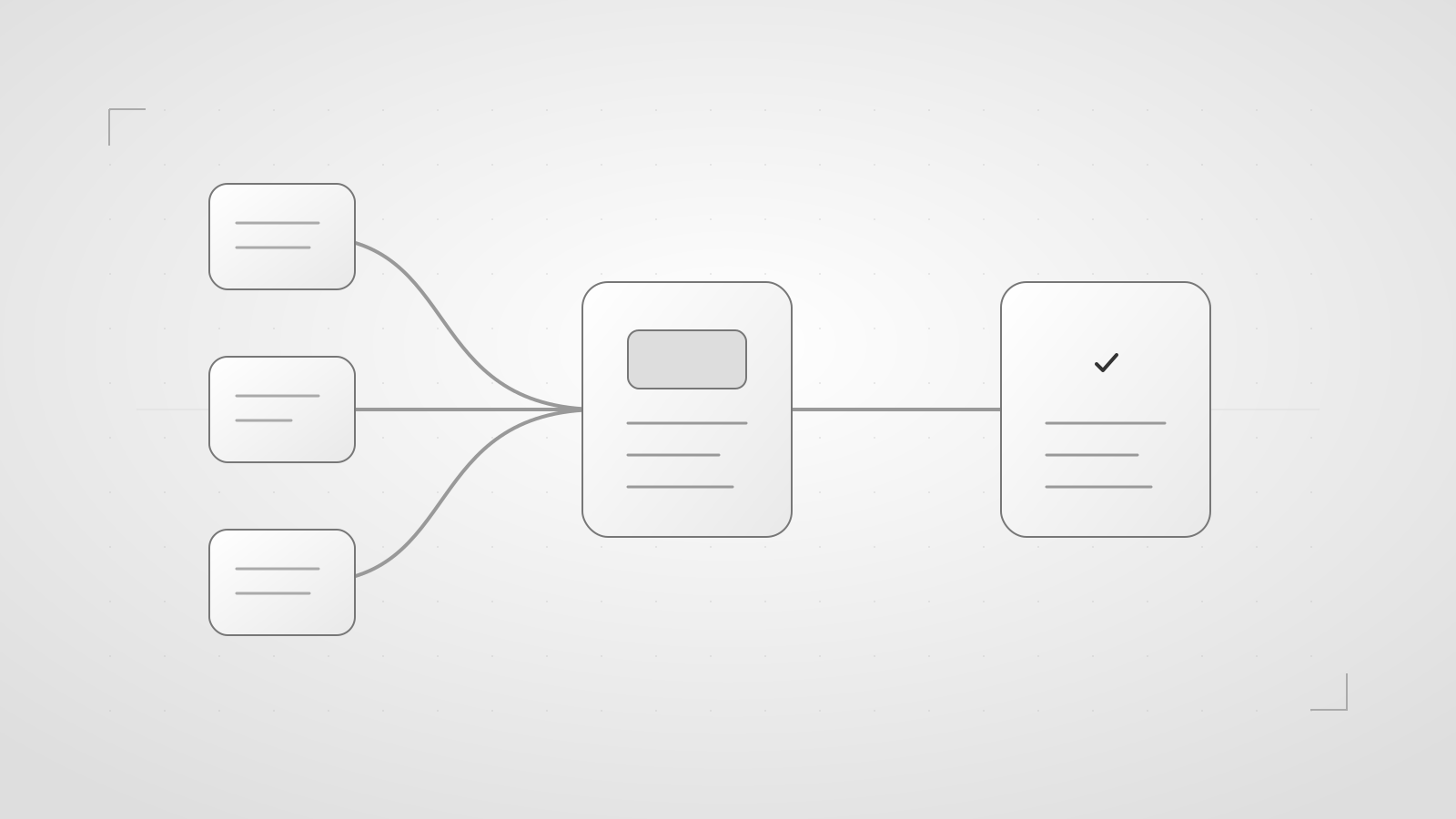
A customer sends an enquiry. Someone asks for more information, a colleague prepares a quotation, and another person needs to approve it. Each step may be reasonable on its own, yet the whole request can become difficult to follow when the details are spread across messages and files.
A clearer workflow makes the request, the person responsible, and the next action visible together. Automation can then support agreed steps instead of moving an unclear process faster.
Start with one enquiry record
Imagine a small services business receiving requests through email, a website form, and chat. This is an illustrative workflow, not a report of a specific AIO client.
The first improvement is a shared record containing the information the team needs to respond. Start with a manageable set of fields:
- Customer and contact details.
- The service requested and a short description of the need.
- Information still to be confirmed.
- The person responsible for the next action.
- The current stage and a follow-up date.
Keep relevant messages and notes linked to the same record where your tools allow it. The objective is to give colleagues enough context to continue the conversation without reconstructing it from scratch.
Give each handover an owner
A status such as “quotation in progress” is more useful when it also identifies who is preparing it and what is needed next. Agree what each stage means and which event moves the request forward.
For example, an enquiry might move from information gathering to quotation preparation after the team confirms the required scope. It could then move to review when a draft is ready, and to follow-up after the approved version is issued.
Give incomplete or unusual requests a clear route as well. A person should be able to pause the process, explain what is missing, and assign the next action.
Reuse information while keeping the quotation editable
Once the request is clear, the saved information can help prepare a draft quotation. Reusable items and templates can provide a starting point, while the person preparing the quote confirms descriptions, quantities, fees, exclusions, and terms.
A template should not make assumptions on the team's behalf. Keep the ability to add or remove items and adjust the scope for the customer.
If AI is used to summarise the enquiry or suggest a draft description, have a person check it against the customer's request. Confirm commercial details through the agreed approval process.
Keep approval and follow-up visible
Decide who can approve a quotation and where the approved version is recorded. A later revision should be identifiable so colleagues can see which version was sent and what changed.
After issuing the quotation, assign a follow-up date and an owner. A reminder can help prompt action, but someone still needs to review the response and decide what to do next.
When work is agreed, carry the confirmed details into the next stage, such as invoicing or delivery planning. Check that the team understands what is being carried forward and what still needs confirmation.
A practical before-and-after example
Before: a customer sends a request in chat, a colleague copies it into a spreadsheet, and a draft quotation circulates by email. Nobody is certain who should chase the missing information.
After: the request has one shared record, a named owner, and a next-action date. The quotation starts from the agreed details, remains editable, and records the approved version. A follow-up is assigned when it is issued.
The tools can vary. The useful change is that colleagues can see what has happened and what needs to happen next.
Automate a focused part of the process
Good candidates may include creating a record from a completed form, assigning a routine task, preparing a draft from approved details, or reminding a colleague about an upcoming follow-up.
Choose one handover to improve first. Test normal requests, missing information, revisions, and duplicate submissions. Keep a way for staff to correct the record and handle exceptions.
Review whether the change reduces repeated entry, makes ownership clearer, or helps the team complete follow-ups. These are measures to assess, rather than guaranteed results.
AIO's workflow automation services start with the process and the tools you already use. Tell us where an enquiry gets stuck and we can discuss a practical next step.
If AI is part of the proposed workflow, start with a task your team can check. If the process needs ongoing coordination, consider a defined managed-support scope.